




Building a Scalable Business with IT GRC, SharePoint, and Custom Software
As businesses grow, technology often grows faster than control. New SaaS tools are added, spreadsheets multiply, workflows become inconsistent, and risk increases quietly in the background. Many organisations try to fix this by buying more tools, but the real solution lies in how systems work together. A scalable business needs structure, visibility, and automation. This is where IT GRC, SharePoint, and custom software come together. When aligned correctly, they form a single operating model that supports growth without chaos. This article explains how these three elements work together to create a controlled, scalable, and resilient digital foundation.
Why tools alone do not scale
Most businesses already have capable technology. The problem is fragmentation.
Common symptoms include:
- Different teams using different systems
- Unclear ownership of data and processes
- Manual handovers between tools
- Limited visibility for leadership
Scaling is not about adding more software. It is about designing how technology supports the business end to end.

IT GRC: setting the rules of the system
IT GRC provides the foundation. It defines how technology decisions are made, how risks are managed, and how consistency is maintained.
What IT GRC contributes
- Clear ownership of systems and data
- Defined decision making authority
- Visibility into technology risks
- Guardrails for growth
Governance ensures that technology choices align with business goals. Risk management identifies where failures could impact operations. Compliance establishes basic rules that teams follow consistently.
Some organisations align their IT GRC approach with recognised frameworks such as ISO standards, not for certification purposes, but to introduce structure and shared language. When applied lightly, this strengthens consistency without slowing execution.
SharePoint: turning governance into daily behaviour
IT GRC defines the rules. SharePoint is where those rules are applied in daily operations.
SharePoint, from Microsoft, is widely used for collaboration and document management, but its real strength lies in standardisation and control.
How SharePoint supports governance
- Centralised document management and document control
- Role based access and permissions
- Standardised workflows and approvals
- Clear audit trails of decisions and actions
Policies, procedures, and requests live in one place. Workflows enforce consistency without constant oversight. SharePoint becomes the human facing control layer of the organisation.
Where SharePoint reaches its limits
As processes mature, complexity increases.
Common pressure points include:
- Complex business logic
- High transaction volumes
- Integration with multiple systems
- Real time processing and reporting
At this stage, configuration alone is no longer enough. This is where custom software development becomes essential.
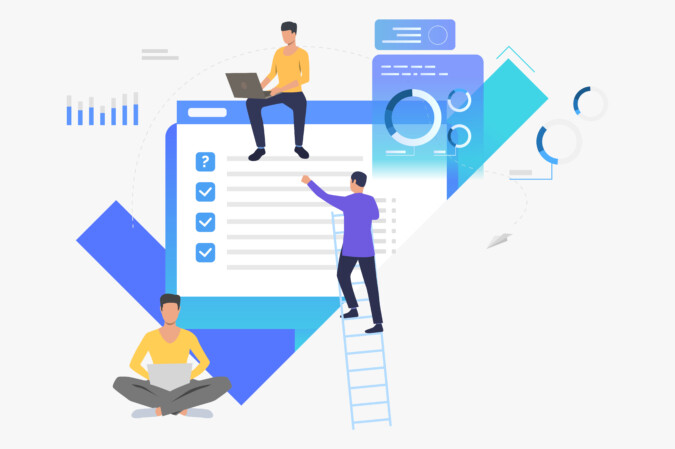
Custom software: executing at scale
Custom software development is not about replacing SharePoint. It is about extending capability.
Custom software handles:
- Complex automation logic
- System integrations
- Background processing
- Performance and scalability
It executes the rules defined by IT GRC and initiated through SharePoint workflows. The result is automation that runs reliably without human intervention.
How the three work together
The power comes from alignment.
The operating model
- IT GRC defines what is allowed and who is responsible
- SharePoint captures input, approvals, and documentation
- Custom software automates execution and integration
Users interact with SharePoint. Automation runs in custom software. Oversight and accountability are maintained through IT GRC.
This creates a single, controlled flow instead of disconnected tools.
Practical example: scaling without losing control
Consider a growing organisation managing client onboarding.
Without alignment
- Requests arrive via email or WhatsApp
- Documents are stored in shared drives
- Data is manually re entered into systems
- Errors are discovered late
With IT GRC, SharePoint, and custom software
- IT GRC defines approval rules and ownership
- SharePoint captures onboarding requests and documents
- Custom software validates data and creates records across systems
- Status updates are visible in real time
The process scales without adding administrative burden.

Why this approach supports long term growth
This combined model delivers measurable benefits.
Visibility
Leadership gains insight into processes, risks, and dependencies.
Consistency
Workflows run the same way every time, reducing errors and rework.
Automation
Manual steps are replaced with reliable system driven actions.
Control
Growth happens within defined boundaries, not through improvisation.
This is what separates scalable organisations from those constantly catching up.
Common mistakes to avoid
Even strong tools can fail if misused.
- Implementing IT GRC as paperwork only
- Over customising SharePoint to handle complex logic
- Building custom software without governance input
- Treating each system as a standalone solution
Success comes from integration, not dominance of one tool.
When this model makes sense
This approach is especially valuable when:
- Multiple systems support core operations
- Data accuracy is critical
- Manual work limits growth
- Leadership lacks visibility
- Risk increases with scale
It does not require a large organisation. It requires intentional design.
Building a scalable business is not about choosing between governance, platforms, or software. It is about combining them into a single operating model. IT GRC provides direction and control. SharePoint operationalises governance. Custom software delivers automation and scale.