







Cybersecurity awareness training should help people make safer decisions during real work. Generic annual content may record attendance, but it can miss the different risks faced by finance, executives, developers, administrators, remote workers, customer teams, and suppliers. NIST research published in 2026 also highlights the continuing debate about whether common phishing programmes change behaviour and why some approaches fail.
An effective programme combines clear expectations, relevant practice, supportive reporting, and technical controls. It avoids presenting employees as the only weakness in security. People work within systems, processes, workload, and culture. Training should make the safe action visible and realistic while the organisation removes avoidable design problems.
Base cybersecurity awareness training on risk
Use incident data, threat intelligence, risk assessments, audit findings, support requests, and business processes to identify the behaviours that matter. Common themes include phishing, business email compromise, password and multifactor authentication fatigue, unsafe sharing, removable media, remote access, and incident reporting.
Then map risks to roles. Finance may need payment verification and supplier change scenarios. Executives may face targeted impersonation. Administrators need privileged access and logging. Developers need secure coding and secret management. Human resources handles sensitive personal information.
The WWISE cybersecurity course for remote work can support relevant awareness. Employers should combine general learning with internal procedures, systems, and reporting routes.
Teach actions within realistic scenarios
Explain what the person should notice, decide, and do. A phishing example should show the message in a realistic work context and include the approved reporting action. A payment change scenario should include verification through a trusted route. A data sharing scenario should use the organisation’s classification and approved platform.
Avoid trick questions and obscure clues. The goal is not to prove that a security team can deceive employees. It is to improve recognition and response. Give immediate feedback that explains the risk and the correct action.
Use short practice throughout the year when risk changes, but retain deeper learning for complex responsibilities. New systems, incidents, seasonal fraud patterns, and role changes can provide useful triggers.
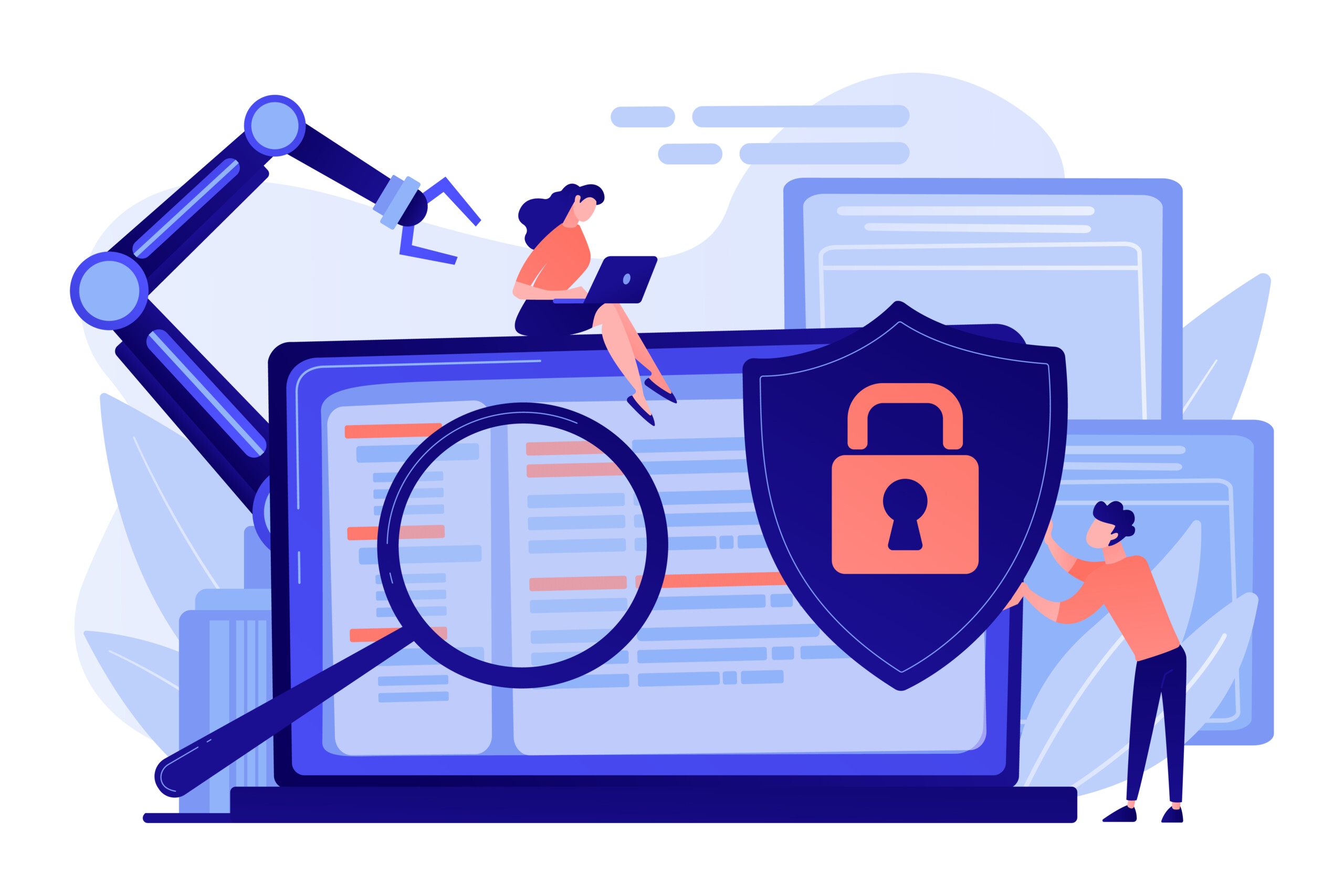
Developers, robot work at laptop with magnifier. Industrial cybersecurity, industrial robotics malware, safeguarding of industrial robotics concept. Pinkish coral bluevector isolated illustration
Run phishing exercises with care
Phishing simulations can provide evidence about reporting, response, and recurring patterns. Poorly designed simulations can damage trust, shame employees, or create misleading results. Obtain suitable approval and protect personal data.
Use scenarios that reflect genuine threats without exploiting sensitive personal events. Tell employees the purpose of the programme and provide a simple reporting method. Review organisational causes such as unclear sender identity, excessive external messages, weak payment controls, or difficult verification routes.
Click rate alone is not enough. Measure correct reporting, reporting speed, repeat behaviour, response quality, and whether technical controls contained the exercise. Interpret results by context rather than ranking individuals publicly.
Reinforce training with secure systems
Awareness cannot compensate for missing multifactor authentication, excessive access, poor patching, insecure software, or unmonitored systems. Use training as one control within a wider information security programme.
Make safe actions easy. Provide a visible reporting button or help route, password management, approved sharing tools, clear device procedures, and rapid support after a mistake. Employees should be able to report an event without first deciding whether it meets a technical definition of an incident.
The ISO/IEC 27001 awareness course helps learners understand information security management and responsibilities. Staff who test the system may need ISO/IEC 27001 internal auditing training as a separate competence path.
Build a reporting culture
Employees may hide mistakes when they expect blame. Leaders and managers should model prompt reporting and focus first on containment and learning. Delayed reporting can increase harm even when the original action was minor.
Training should state what to report, how to report, and what happens next. Include suspicious messages, unexpected authentication prompts, lost devices, accidental disclosure, unusual system behaviour, and requests that bypass normal controls.
Close the feedback loop. Inform the reporter that the event was received and provide suitable guidance. Share anonymised lessons where the information helps others recognise the pattern. Do not reveal investigation details or personal information unnecessarily.
Measure change rather than attendance
Use a balanced set of measures. Completion and assessment show learning activity. Reporting, simulation behaviour, incidents, help requests, repeat findings, and manager observation show application. Technical data may show whether risky actions still reach users or whether controls are improving.
Analyse a problem before prescribing more training. Repeated insecure file sharing may reflect an unusable approved platform. Failed payment verification may reflect commercial pressure or unclear authority. Treat the process cause as well as the knowledge gap.
Organisations can review the WWISE information security course category and speak to a consultant about learning for different roles. Confirm course content and internal policy alignment before enrolment.
Cybersecurity awareness training works when it improves everyday decisions, reporting, and resilience. Relevant scenarios, fair exercises, supportive culture, and secure systems produce stronger evidence than a completion percentage on its own.